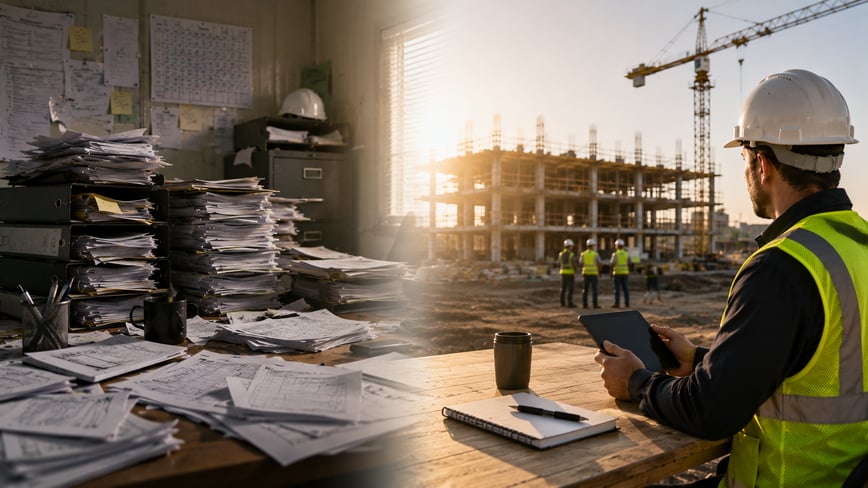
Subcontractor project management software automates subcontractor-specific workflows, such as daily reports, billing, RFIs, T&M, field notes, and change orders, and centralizes all project communications and documentation into a single, easy-to-use platform.
Core features include progress billing, real-time reporting, and progress monitoring, ensuring you know exactly where your project stands at any given time.
Who Is Subcontractor Project Management Software For?
Project management software for subcontractors differs from solutions designed for general contractors (GCs) in both scope and focus.
While GC-centric software focuses on coordinating and tracking the entire job, including multiple trades, bids, and deliverables, subcontractor software focuses on the features they need most: tracking labor, productivity, documentation, and keeping teams aligned to the information they need to do the job.
Subcontractor roles that use project management software day to day include:
- Foremen: gain real-time visibility into critical project information and efficiently document what happens on the jobsite, replacing spreadsheets and paper workflows with cloud-based storage and digital tools for:
- Time tracking
- Daily reports
- Access to the latest drawing versions
- Centralized communications
- T&M ticket issuance and tracking
- Project managers: gain real-time visibility into progress and cost tracking, optimize scheduling and resource allocation, and access defensible data to prove work was done.
- Back office: replaces and automates manual and paper-based workflows, improves document tracking, streamlines progress billing, and enables real-time cost visibility.
Key Software Capabilities
Subcontractor project management software focuses on the core functions and workflows they use on every job, every day:
- Daily reporting. Daily reports are completed and submitted in real time so project managers can respond to changing conditions immediately.
- Drawing management. Drawings are centralized and globally updated for all users, ensuring everyone is working with the most recent versions.
- RFI and submittal tracking are standardized and automated, minimizing delays and miscommunication.
- Change order and T&M documentation are automatically generated and maintained within the system with status tracking to support every hour worked and every decision made.
- Progress billing benefits from real-time tracking, enabling timely billing and maintaining positive cash flow.
Field teams can accurately capture and share information from their mobile devices. With no need to chase down people, documents, or data, the work can proceed with fewer delays or disputes.
How Subcontractor Project Management Software Differs From GC-Focused Platforms
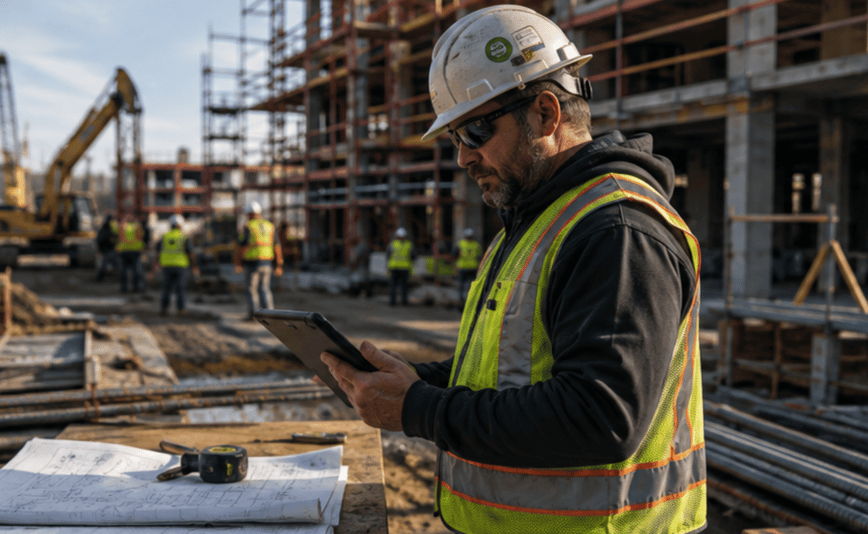
Subcontractor project management software is built around trade-specific workflows and field-to-office communication, whereas GC-centric software prioritizes budget tracking, trade coordination, owner reporting, and compliance.
GC-focused software:
- Coordinate the entire job, including timelines and RFIs.
- Typically has revenue-tiered pricing, making it costly to grow your business.
- Focused on daily logs, punch lists, and plans across the entire jobsite.
- Cumbersome document management workflows not suitable for field workers.
Subcontractor-focused software:
- Track productivity, work execution, and monitor margins.
- A solution built for teams and designed to scale through multiple projects.
- Mobile-first platform to track jobsite activities and labor in real time.
- Frictionless reporting in a user-friendly interface.
- Prioritizes simplicity and standardization to support field adoption.
By choosing software specifically designed for them, subcontractors can stay focused on their priorities and not be forced to adapt their workflows to someone else’s.
Do You Need Subcontractor Project Management Software? Here are Signals to Look For.
Small subcontracting firms typically start out managing their operations with spreadsheets. For financial reasons, this is often a good place to start. But as soon as the business grows or needs to manage multiple projects and teams at once, it becomes an error-prone paperwork burden that introduces undue risk.
Manual workflows become inefficient. Documentation errors can lead to disputes and affect working relationships. Daily reports are often recreated from memory and can be unreliable. Communication between the field and the back office lacks continuity, and progress billing falls behind.
It all adds up to more work for less return.
Here are a few signs a subcontractor has outgrown paper and spreadsheets:
- You are experiencing frequent operational bottlenecks.
- Delayed invoicing is impacting cash flow.
- There is no real-time visibility into job progress, billing, labor, schedules, etc.
- Individual jobs require multiple spreadsheets.
- Communication is scattered in emails, texts, and disconnected discussions.
- Poor or delayed documentation leads to “free” work and disputes on and off the jobsite.
The right software standardizes processes, so you won’t need to chase down information across disconnected spreadsheets or scattered across email and text chains. Teams have the information they need when they need it, and the back office has the right documentation, not just to support billing, but also to establish an auditable trail and prove the work was done.
Hitting any of these signals clearly indicates the need for transformation, and eSUB is the solution.
eSUB is purpose-built for subcontractor project management, putting every feature your foremen, PMs, field workers, and back office need at their fingertips and eliminating the chaos caused by multiple spreadsheets, poor documentation, and disconnected data.